
Teaching Responsibility Through Play: Fun Ways to Build Good Habits in Kids
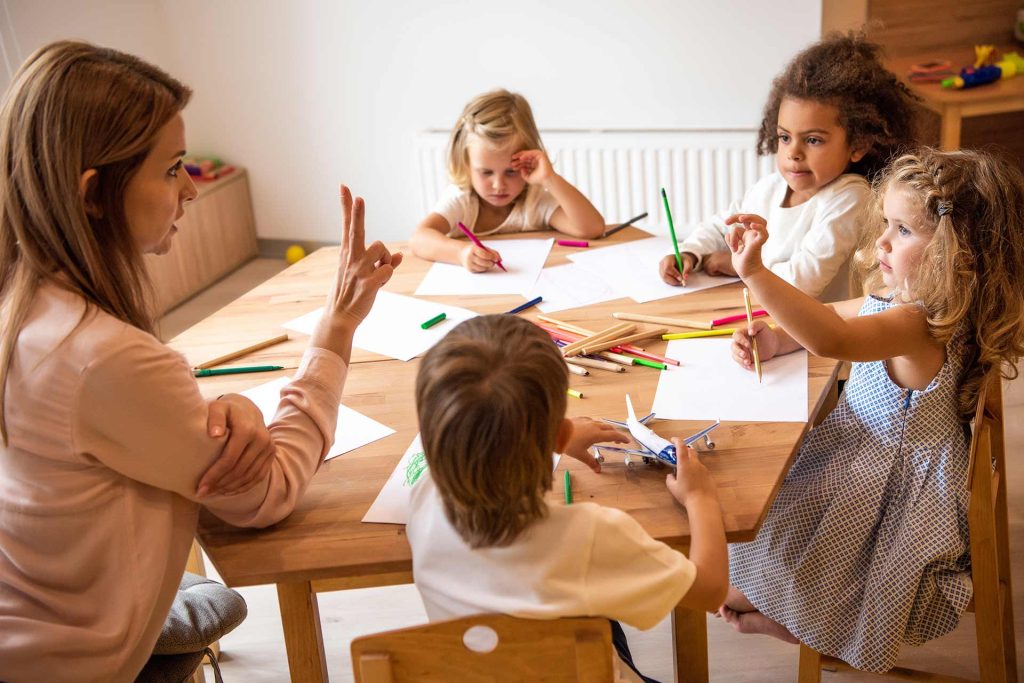
Teaching Responsibility Through Play: Fun Ways to Build Good Habits in Kids Teaching responsibility from a young age helps children develop essential life skills that will benefit them throughout their lives. Responsibility fosters independence, problem-solving abilities, and a sense of accomplishment. However, traditional methods of teaching responsibility can sometimes feel like chores, leading to resistance from children. The key to making responsibility enjoyable is integrating it into play. When kids associate responsibility with fun, they are more likely to embrace good habits willingly. The Power of Play in Learning Play is a child’s natural way of understanding the world. Whether they are pretending to be superheroes, running a pretend store, or building a fort, children learn problem-solving, cooperation, and self-regulation through these activities. By weaving responsibility into play, parents and educators can create an environment where learning feels effortless and enjoyable. Games and creative activities help reinforce essential habits while keeping children engaged. Role-Playing Games That Teach Responsibility One of the most effective ways to introduce responsibility is through role-playing. When children step into different roles, they gain a better understanding of tasks and expectations. Playing “house,” “school,” or “store” allows them to imitate real-world responsibilities. They learn about organizing, taking care of belongings, and managing tasks. Role-playing also fosters empathy, helping children see the importance of responsibilities in daily life. For example, in a pretend grocery store setup, children can take turns being the cashier, the shopper, and the store clerk. Each role comes with specific responsibilities, such as keeping the shelves tidy, counting money, and helping customers. This kind of play nurtures accountability while making learning fun. Using Storytelling to Encourage Good Habits Stories captivate children’s imagination and offer a powerful way to instill responsibility. When children see characters learning from their mistakes or making good choices, they are more likely to model those behaviors in real life. Books like Lila’s Magical Mess and the Christmas Lesson demonstrate the importance of tidying up in a fun and engaging way. Parents and educators can take storytelling a step further by encouraging children to create their own stories where responsibility plays a key role. By making up their own tales about characters learning the value of honesty, kindness, and taking care of their belongings, kids internalize these lessons in a way that feels personal and meaningful. Interactive Chores That Feel Like Play Chores don’t have to be a dreaded task. When framed as a game, they become an exciting challenge. Turning everyday responsibilities into playful activities can make a significant difference in a child’s willingness to participate. For example, setting a timer and challenging children to clean their room before the music stops turns tidying up into a fun race. Creating a sticker chart for completed tasks adds an element of achievement. Using a pretend “cleaning potion” (colored water in a spray bottle) makes wiping down surfaces feel magical. When chores are made fun, kids develop a sense of ownership over their tasks without feeling forced into them. Board Games and Digital Apps That Reinforce Responsibility Many board games teach responsibility in a subtle yet effective way. Games like The Game of Life introduce financial responsibility, while Chutes and Ladders teaches consequences and rewards. Playing these games allows children to experience real-world scenarios in a low-stakes setting, helping them grasp important life skills. Technology also offers many interactive apps designed to teach responsibility. Apps that allow children to care for virtual pets, manage resources, or complete daily challenges help reinforce good habits in an engaging way. The key is to find games that promote responsibility rather than passive entertainment. Encouraging Responsibility Through Nature and Outdoor Play Spending time outdoors provides endless opportunities to teach responsibility. Gardening, for instance, is an excellent way for children to learn about nurturing and commitment. When they are responsible for watering plants and ensuring they get enough sunlight, they develop patience and accountability. Caring for a pet is another hands-on way to instill responsibility. Whether feeding a fish or walking a dog, children learn the importance of consistency and dependability. Outdoor play also encourages teamwork and social responsibility, as kids learn to take turns, share equipment, and respect nature. Collaborative Play and Team-Based Responsibility Children thrive when working together toward a common goal. Activities that require teamwork, such as building a puzzle, constructing a fort, or setting up a pretend restaurant, teach cooperation and shared responsibility. When kids experience the success of completing a task together, they feel a sense of accomplishment and pride in their contribution. One effective way to reinforce this is through “buddy responsibilities.” Pairing children up for a task, like setting the table or organizing a play area, makes it more enjoyable. They learn to communicate, delegate, and encourage one another, reinforcing responsibility in a positive and social way. Using Rewards and Positive Reinforcement While teaching responsibility should not rely solely on rewards, positive reinforcement can be a great motivator. Simple praise, high-fives, or verbal encouragement make children feel valued for their efforts. A rewards system, such as earning points toward a special privilege, can also encourage kids to complete tasks independently. It is important, however, to balance rewards with intrinsic motivation. Helping children understand the joy of accomplishing a task—rather than just receiving a prize—ensures that responsibility becomes a lifelong habit rather than a short-term goal. Turning Everyday Moments Into Learning Opportunities Responsibility doesn’t always have to be taught through structured activities. Everyday moments provide countless opportunities for learning. Asking children to help prepare meals, pack their school bags, or take care of a younger sibling naturally integrates responsibility into daily life. One effective approach is to let children experience the consequences of their actions in a safe way. If they forget to put their toys away, they might not find them easily the next day. If they spill something, they should be encouraged to clean it up. These small lessons help children understand accountability without unnecessary frustration. Making Responsibility a Part of Family Culture When responsibility is woven
Why Reading Together Matters: The Benefits of Bedtime Stories for Children

Why Reading Together Matters: The Benefits of Bedtime Stories for Children Reading together is more than just a nightly routine; it is a shared experience that strengthens the emotional bond between parents and children. The moments spent cuddled up with a book create feelings of warmth, security, and trust. These experiences become cherished memories that children carry with them into adulthood. Beyond the physical closeness, bedtime stories foster a deep sense of connection, as children associate reading with comfort and love. The familiarity of a parent’s voice and the joy of shared storytelling cultivate a foundation for meaningful relationships. Developing a Lifelong Love for Reading Children who are exposed to books from an early age are more likely to develop a lasting love for reading. Bedtime stories introduce them to the magic of storytelling, where characters come to life, and new worlds unfold. When children associate books with fun and relaxation, they are more inclined to seek out reading independently as they grow older. The habit of enjoying books before bedtime lays the groundwork for curiosity, creativity, and a thirst for knowledge that will stay with them throughout their lives. Enhancing Language and Vocabulary Skills One of the most significant benefits of reading bedtime stories is language development. Children absorb new words, sentence structures, and expressions through listening. Exposure to diverse vocabulary and sentence patterns enriches their communication skills, allowing them to express themselves more effectively. Books introduce children to words they may not encounter in everyday conversations, broadening their linguistic abilities. The more stories they hear, the more expansive their vocabulary becomes, setting a strong foundation for academic success. Strengthening Listening and Comprehension Abilities Bedtime stories teach children the valuable skill of listening attentively. As they follow along with a story, they learn to focus on details, recognize patterns, and make connections between events. This enhances their comprehension skills, helping them grasp complex ideas and infer meanings beyond what is explicitly stated. The ability to understand and interpret narratives plays a crucial role in their overall cognitive development and future academic achievements. Children who actively engage in storytime are better equipped to absorb and process information in school. Encouraging Imagination and Creativity Stories transport children to magical worlds filled with adventure, mystery, and wonder. When they listen to bedtime stories, their imaginations are ignited, allowing them to visualize characters, settings, and events. This mental exercise enhances their creativity, encouraging them to think beyond the ordinary. Engaging with different storylines nurtures problem-solving skills, as children begin to anticipate what might happen next. Exposure to imaginative tales helps them develop original ideas, an essential skill for creative thinking and innovation later in life. Establishing a Soothing Bedtime Routine A consistent bedtime routine is essential for healthy sleep patterns, and reading plays a key role in creating a calming atmosphere. The gentle rhythm of a parent’s voice, combined with the predictable structure of a story, helps children transition from the activities of the day to a state of relaxation. Unlike screen time, which can be overstimulating, bedtime stories create a peaceful environment that signals the body to wind down. Establishing a nightly reading ritual reinforces a sense of security, helping children fall asleep more easily and enjoy more restful nights. Teaching Life Lessons and Moral Values Stories are powerful tools for teaching children about kindness, empathy, and responsibility. Many bedtime stories convey meaningful lessons through relatable characters and engaging plots. When children see characters facing challenges and making choices, they learn about consequences, integrity, and resilience. Stories provide a safe space for discussing emotions, guiding children through difficult topics in a way that feels natural and accessible. Parents can use bedtime stories as opportunities to instill positive values and encourage thoughtful conversations about real-life situations. Boosting Emotional Intelligence Reading bedtime stories helps children develop emotional awareness and empathy. As they connect with characters and their experiences, they begin to understand different emotions and perspectives. Stories allow children to witness a range of feelings—joy, sadness, frustration, and excitement—helping them recognize and manage their own emotions. This emotional intelligence enhances their social interactions, as they learn to express themselves, navigate relationships, and respond with compassion. Bedtime stories create a nurturing space where emotions can be explored and understood in a meaningful way. Increasing Attention Span and Patience In an era of constant digital distractions, bedtime stories encourage patience and sustained focus. Listening to a full story requires children to concentrate for extended periods, strengthening their attention span. Unlike fast-paced digital media, books unfold at a steady rhythm, allowing children to immerse themselves fully in the narrative. This ability to focus and engage deeply with a story carries over into other aspects of life, such as learning new skills, problem-solving, and completing tasks with dedication. Preparing for Academic Success Early exposure to books has a direct impact on a child’s future academic achievements. Reading bedtime stories introduces children to the basic structure of language, sentence flow, and storytelling techniques. These early literacy skills provide a solid foundation for reading and writing proficiency in school. Studies have shown that children who are read to regularly perform better in literacy-related subjects, demonstrating stronger reading comprehension and cognitive abilities. By making bedtime stories a daily habit, parents set their children up for long-term academic success. Fostering a Sense of Curiosity and Knowledge Stories open the door to a world of learning, sparking curiosity about different cultures, histories, and concepts. Whether it’s a fairytale, a science adventure, or a historical tale, books expose children to a wealth of knowledge beyond their immediate surroundings. When children encounter new ideas in stories, they are inspired to ask questions, explore further, and seek answers. Bedtime stories nurture a natural love for learning, encouraging children to develop inquisitive minds that will drive them to discover new things throughout their lives. Strengthening Parent-Child Communication Reading together provides a valuable opportunity for meaningful conversations between parents and children. Storytime encourages children to ask questions, share thoughts, and express opinions about the characters and events